| T O P I C R E V I E W |
| urquiola |
Posted - May 20 2010 : 11:26:20 AM
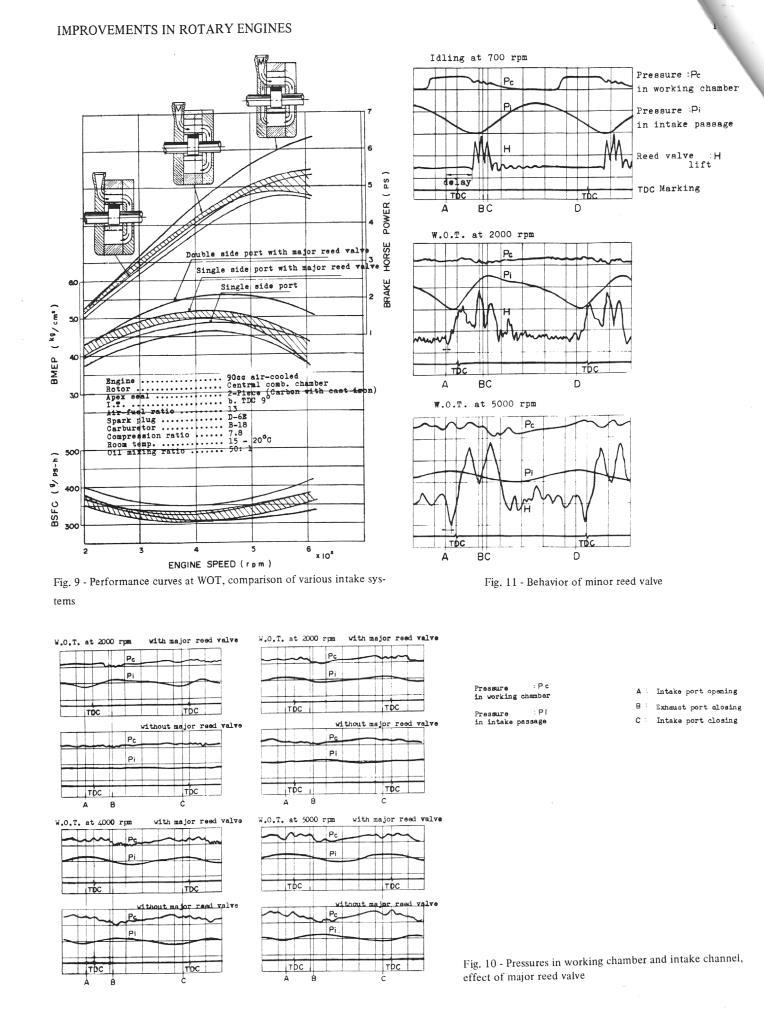
Hi!: as you all know, when Toyota presented the concept of air injection in exhaust port to improve Wankel performance, specially fuel economy, they added also a Reed Valve (RV) close to the trochoid surface in the peripheral intake port; peripheral intake with variable geometry intake manifold made Mazda win Le Mans endurance and fuel use race (-SAE Paper 920309 , Ritsuharu Shimizu et al.). Yanmar Diesel showed also that reed valves improved the partial load and low r.p.m. performance of their small charge-cooled rotaries (SAE Paper 720466 Kojiro Yamaoka & H. Tado), but I got a letter from David W. Garside, that developed the Norton series of Rotary engines, telling that reed valves do impair the high r.p.m. performance, an untoward fact for their engines. As street car engines don't work long times at high r.p.m., anything improving low rpm and partial load performance would be very good for the average driver. RVs do generate opening and closing extra-flows, like an hydraulic ram, that improve volumetric efficiency; also, by tilting the RV angle, you can induce any desired amount and direction of swirl inside the combustion chamber, thus regulating flame speed and engine emissions. I had the concept of installing an Husqvarna 500 cc 2-Stroke engine prismatic reed valve in a rotary with peripheral intake, to improve low speed torque, fuel economy and emissions. I send this note to see if there is anybody with the expertise and will to receive the torch of this concept, implement it and let us know the results. Regards, salud +
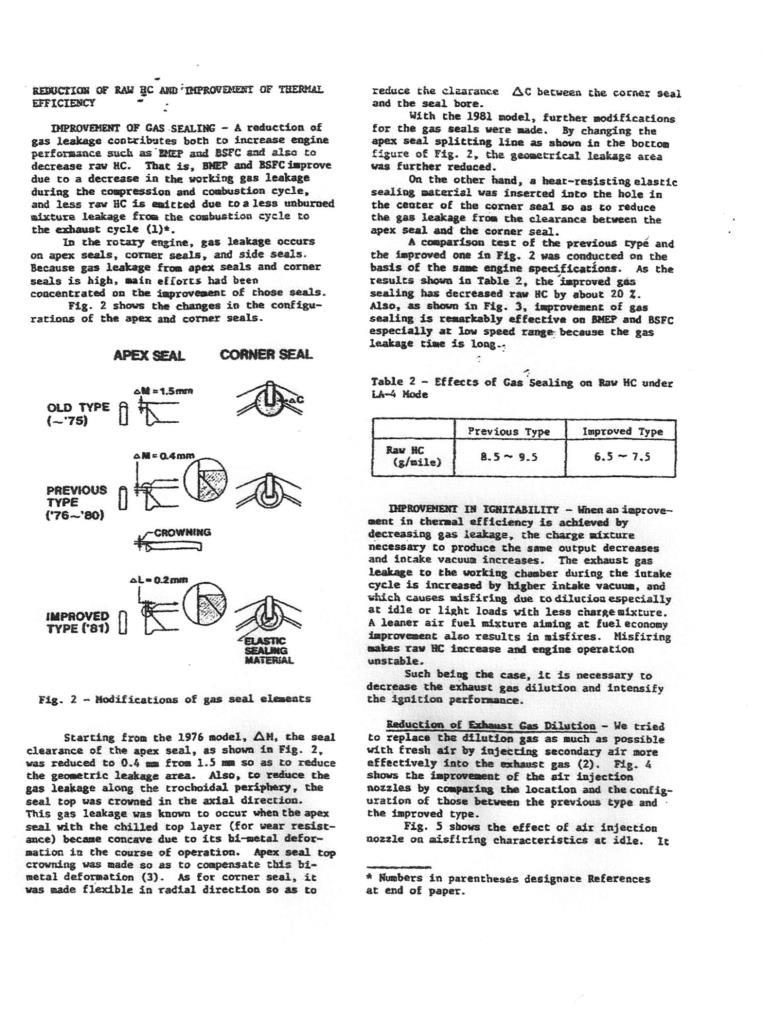
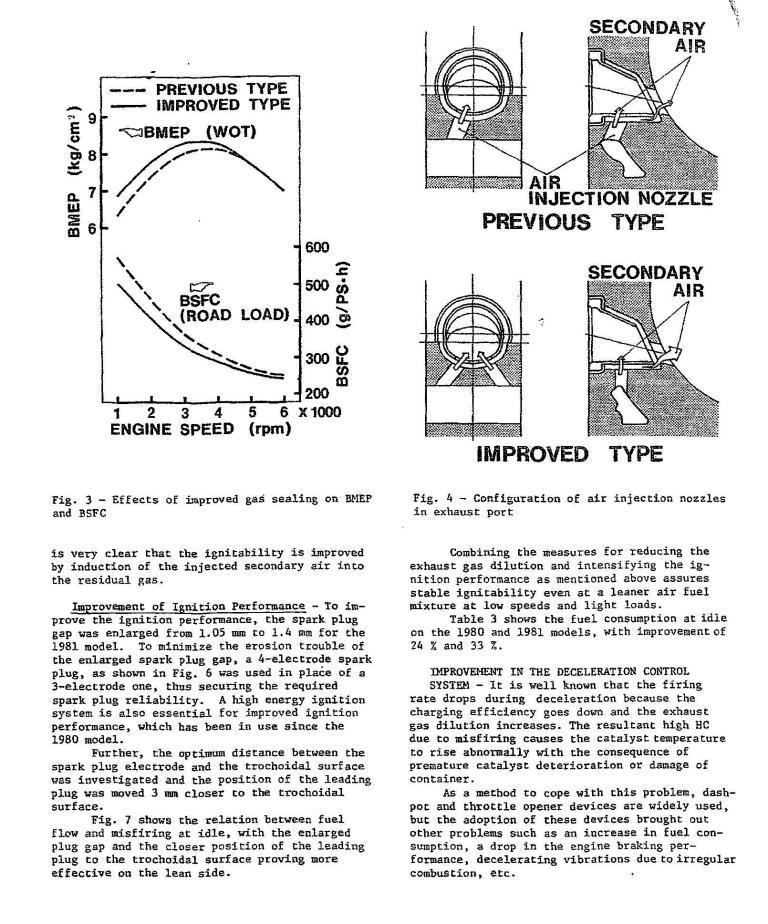
The added images are from Mazda SAE paper 810277, about their improvemnts in materials and engine noise reductions
Download Attachment:  Mazda 810277 a.jpg Mazda 810277 a.jpg
144.65 KB
Download Attachment: Mazda 810277 b.jpg
155.41 KB
 |
| 15 L A T E S T R E P L I E S (Newest First) |
| urquiola |
Posted - Mar 03 2018 : 4:54:15 PM
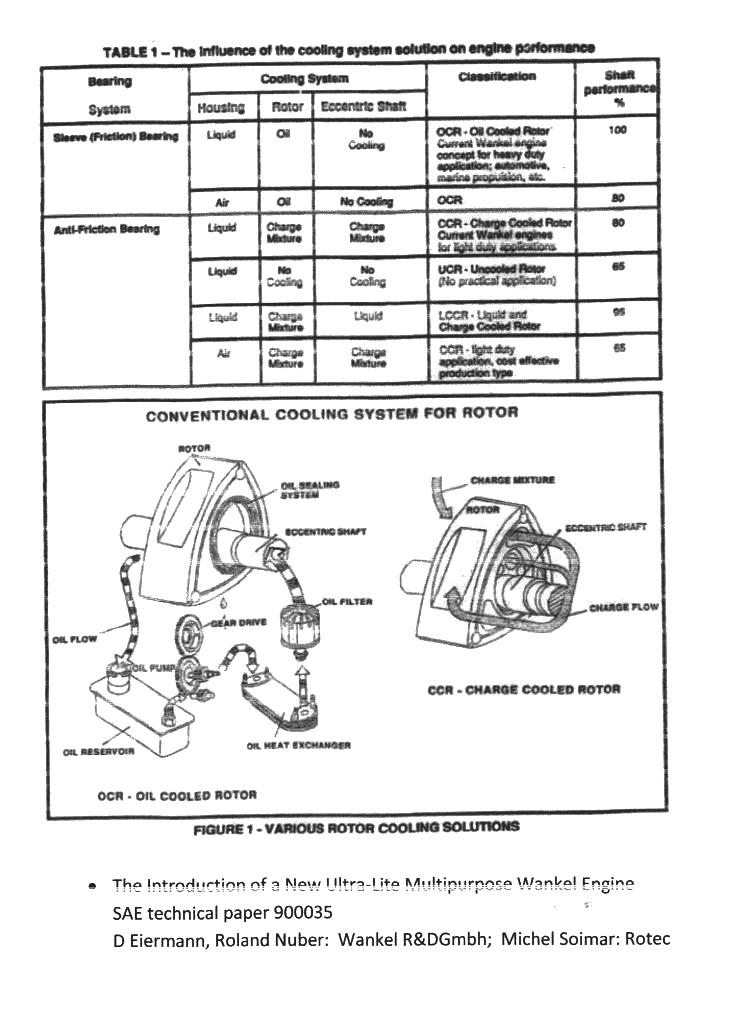
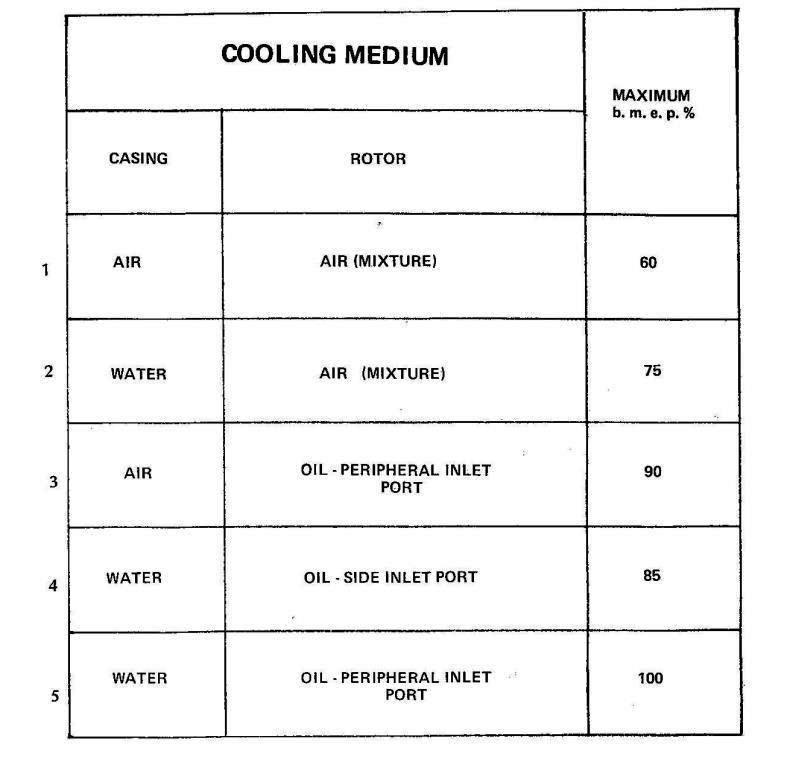
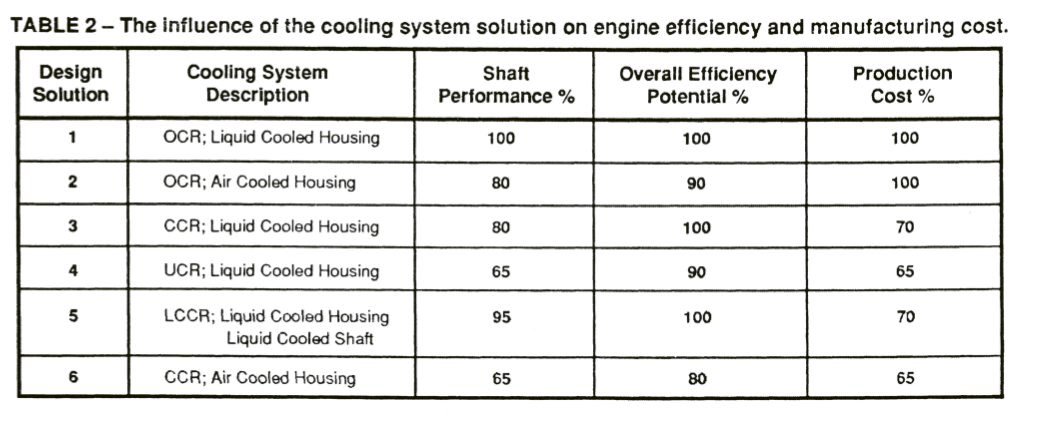
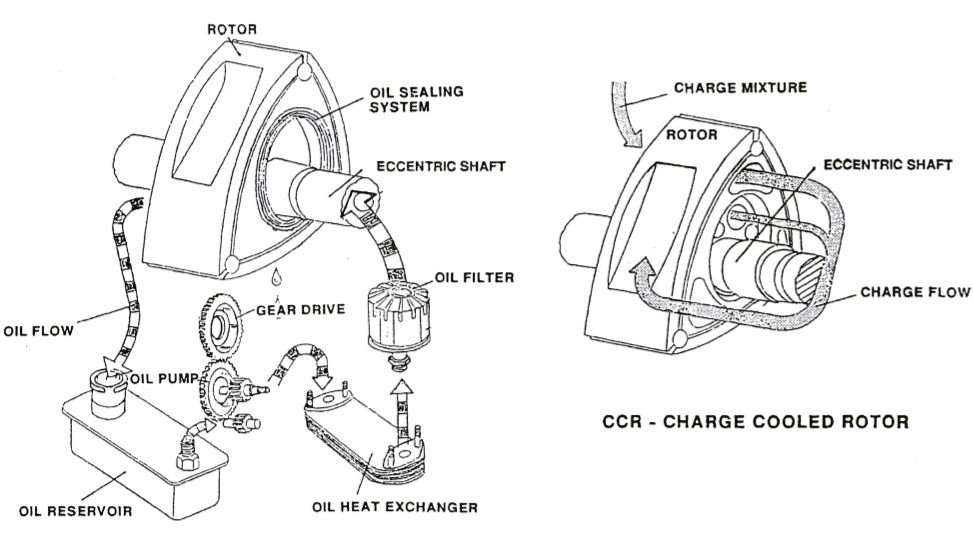
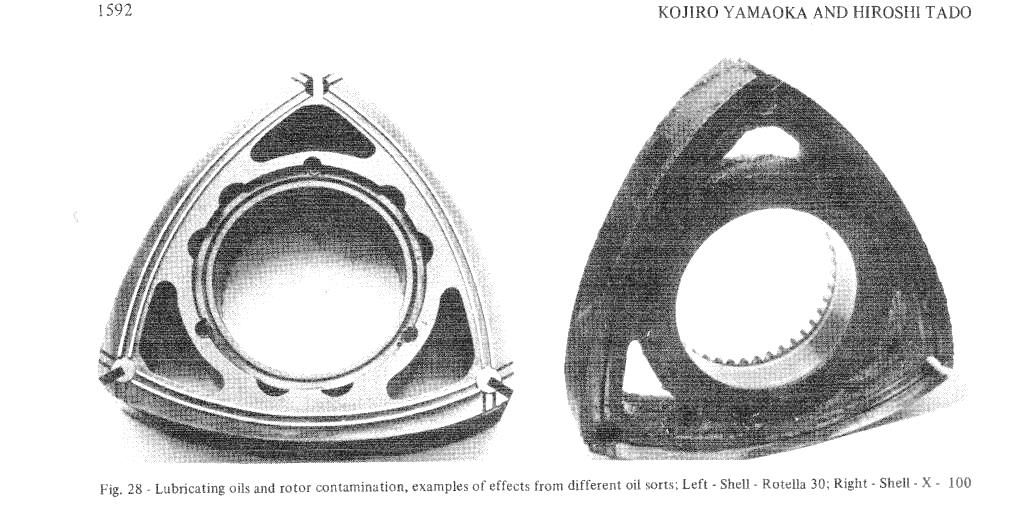
I've prepared a list of papers I like, provided it may have interest for someone. It must be purchased directly al SAE or other publishers, there are links in the web for free download of the three versions of the Toyo Kogyo Kenichi Yamamoto books about Wankel engine, 1969, 1971 and 1981. Rotaryeng.net a site by Paul Lamar, devoted to Mazda transformed for experimental airplane use, has lots of documents
Download Attachment: RE Cooling Ways vs Engine Performance SAE tech paper 900035.jpg
99.14 KB
Download Attachment: RCE bmep percent vs Cooling way E McGovern.jpg
52.66 KB
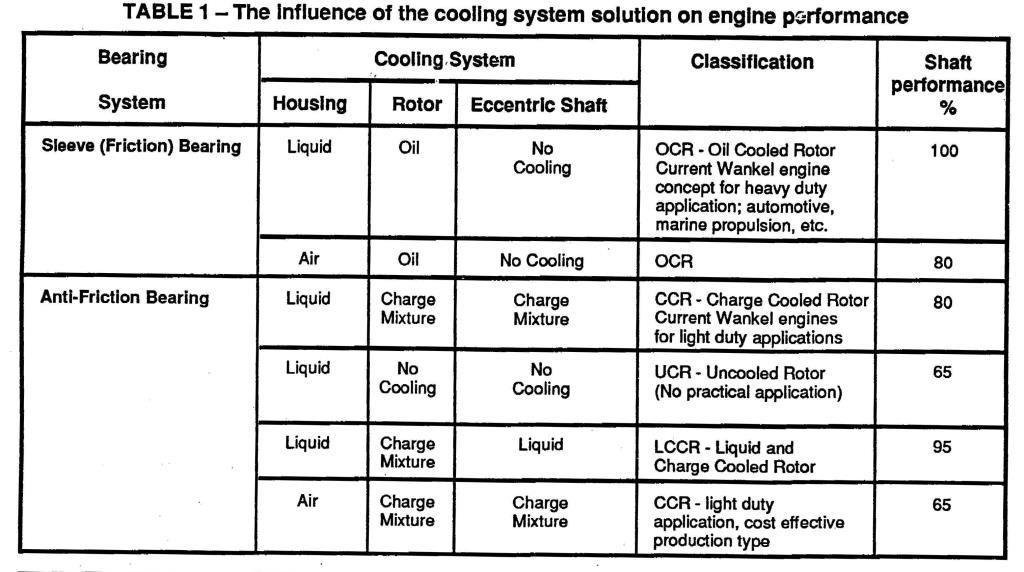
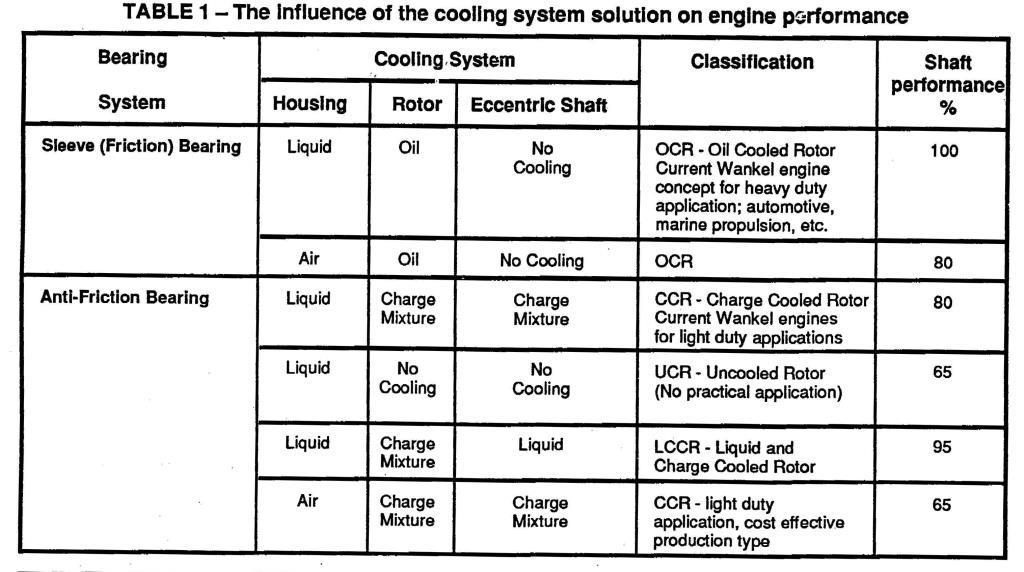
Download Attachment: Wankel RCE cooling systems & performances.jpg
99.94 KB

Download Attachment: charge-cooled-V-oil-cooled a.jpg
105.26 KB
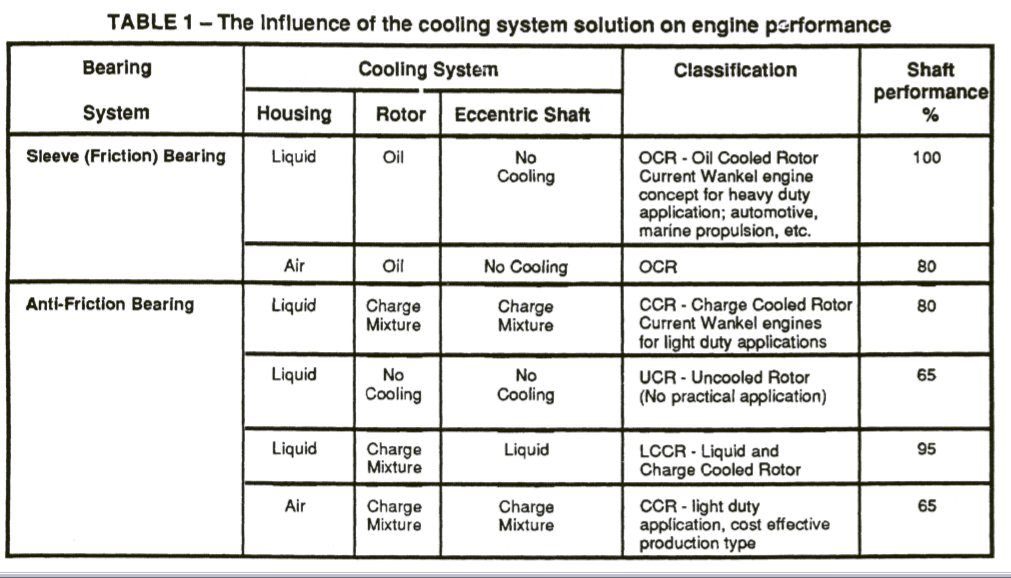
Download Attachment: charge-cooled-V-oil-cooled b.jpg
78.93 KB
Download Attachment: charge-cooled-V-oil-cooled fl.jpg
78.56 KB
Download Attachment: Charge Cooled Rotor -Shell Rotella 30 vs Shell X-100 -SAE paper 720466 Yanmar Diesel comp.jpg
90.64 KB
 |
| urquiola |
Posted - Mar 03 2018 : 4:35:00 PM
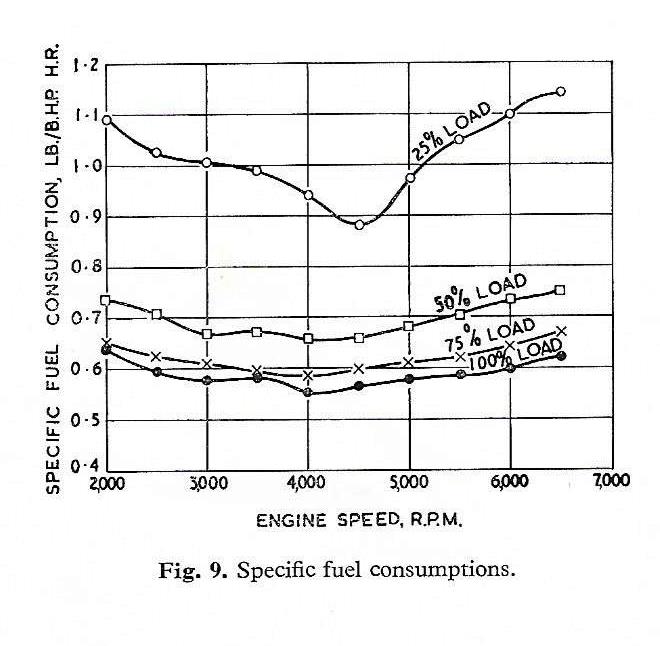
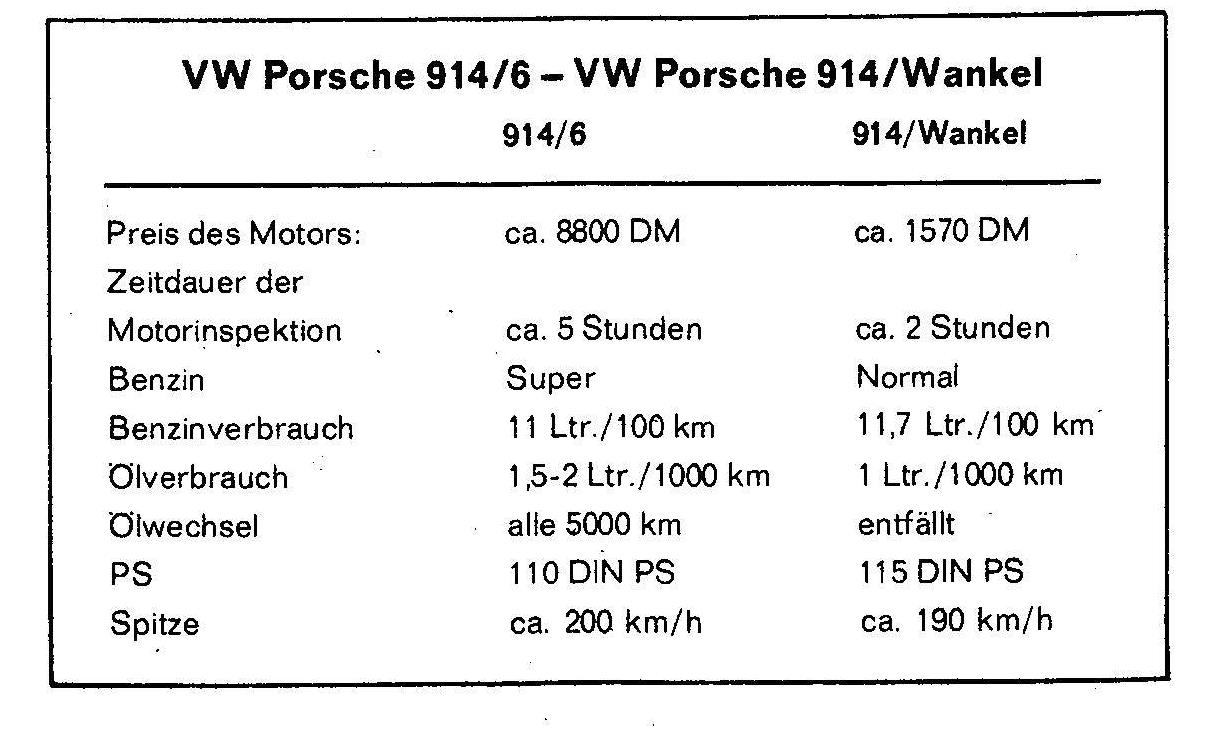
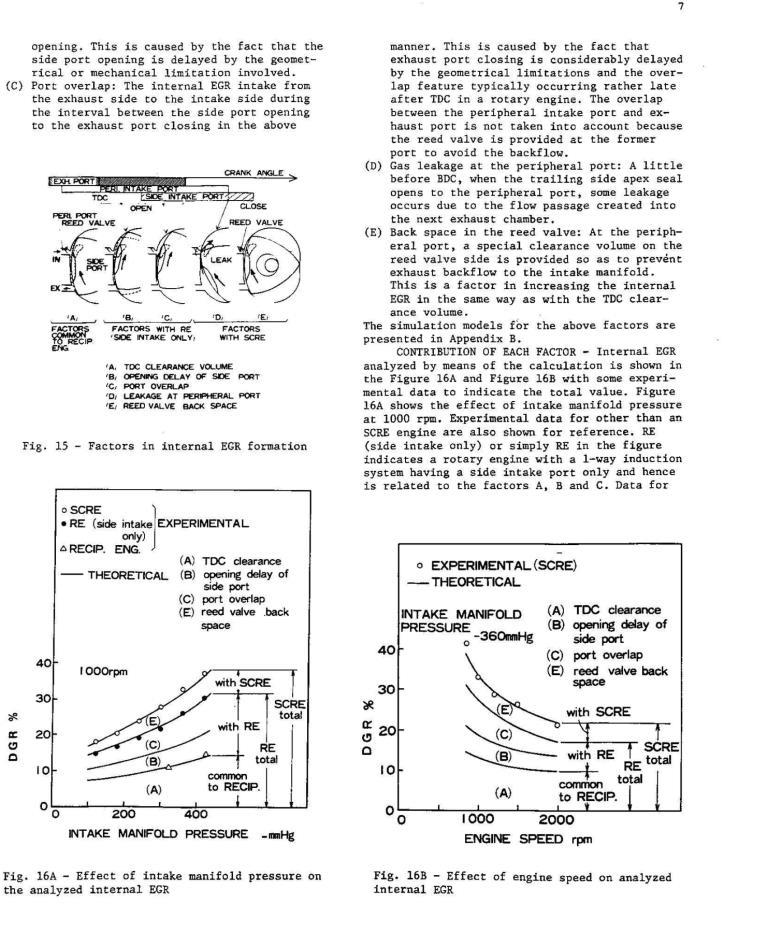
Hallo everybody!: the attached chart, from a technical analysis of NSU Spider Wankel motor, indicating how much the SFC worsens under light load, plus one page in the SAE paper 790435, by T Kohno et al, from Toyota, indicates that the Volumetric Efficiency, MEP, increase from a Reed-Valve cage could be specially interesting under the average use of an automobile engine
Download Attachment: NSU Spider Wankel -Load vs SFC -MR Hayes DP Bottrill -Mira Alvis Ltd .jpg
58.6 KB
Download Attachment: VW Porsche 914 vs Porsche 914 Wankel NSU -1972.jpg
116.06 KB
Download Attachment: Light load performance of RCEs g -SAE paper 790435 -T Kohno et al -Toyota.jpg
140.29 KB
 |
| urquiola |
Posted - Feb 04 2017 : 4:23:55 PM
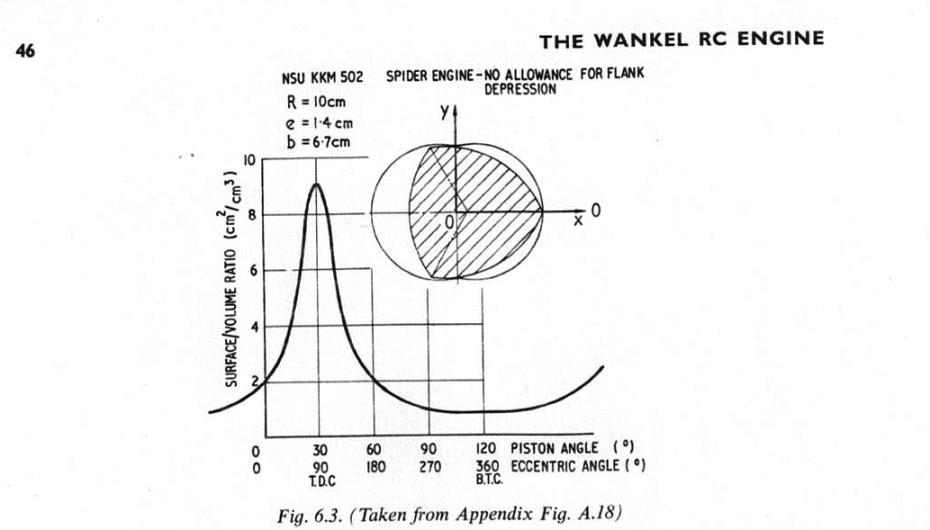
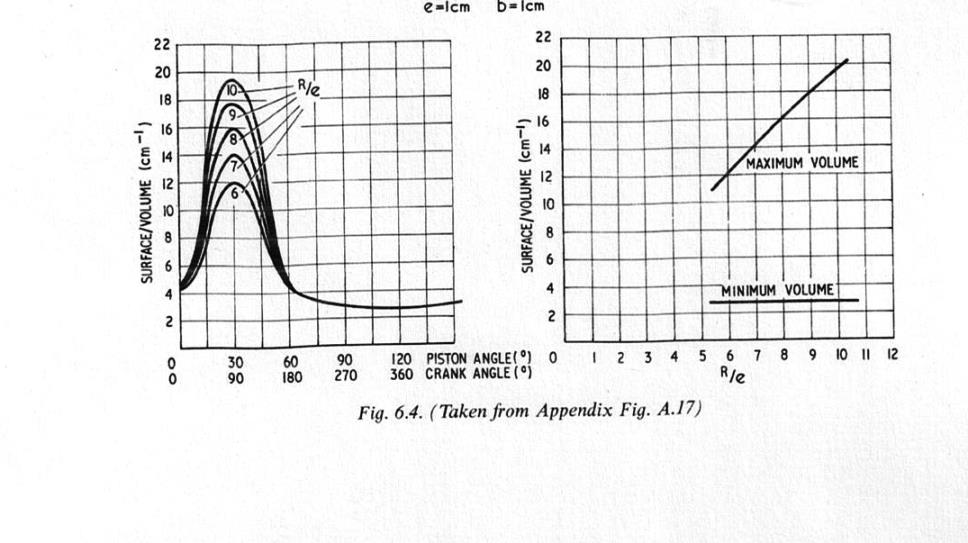
A document in the Ansdale RCE book describes the Surface-Volume ratio of Wankel working chamber, that was blamed for the poor performance, the issue may be just that the flame front moves in the same direction of rotor turn, and also that the quenching, extinction of flame in the cold corners of combustion chamber increases the amount of non burned mix. GM used iron housing, perhaps this was the reason for their good fuel economy results, Iron housings are hotter than Aluminum alloy, but above 130º C to 140º C, the lubricating oil film may carbonize, resulting in a damaged engine. To reduce chances of this, a Solid Lubricant as Molybdenum, MoS2, was added to the oil in the 24 heures de Le Mans Mazda winner car. NASA contract report CR 195445, by Paul Moeller, is about a coating that reduces friction, some companies as lomatsystems do it in a custom way.
Download Attachment: Surf-Vol Ratio RCE Ansdale fig 6-3.jpg
42.22 KB
Download Attachment: Surf-Vol Ratio RCE Ansdale fig 6-4.jpg
69.71 KB
Download Attachment: Surf-Vol Ratio of RCE -cont lin- vs Recip Eng Rotary Eng -K Yamamoto 1969 .jpg
153.03 KB
 |
| urquiola |
Posted - Jan 14 2016 : 11:47:39 AM
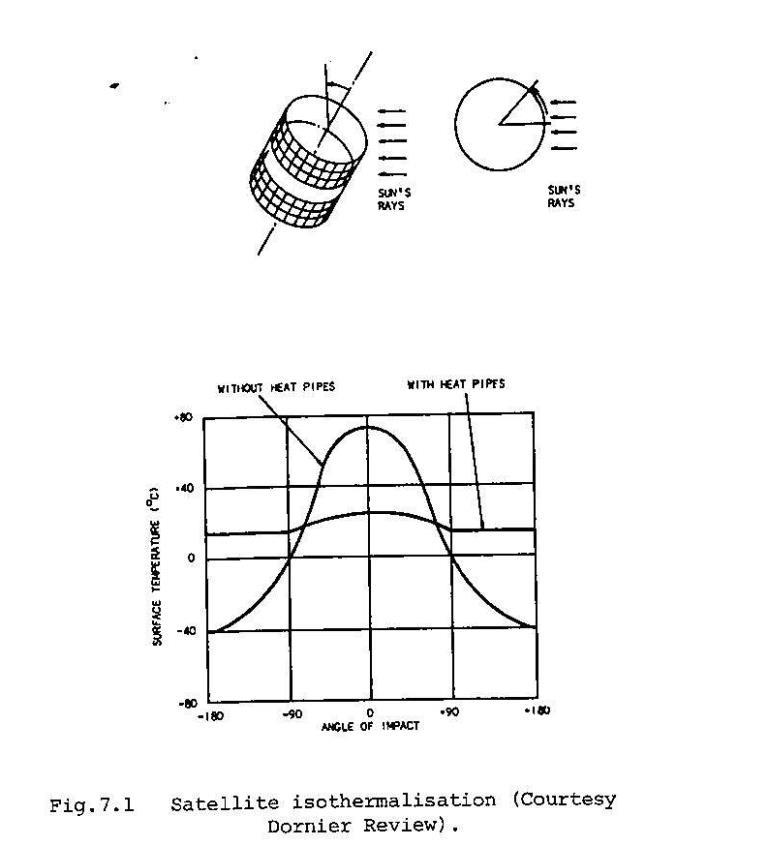
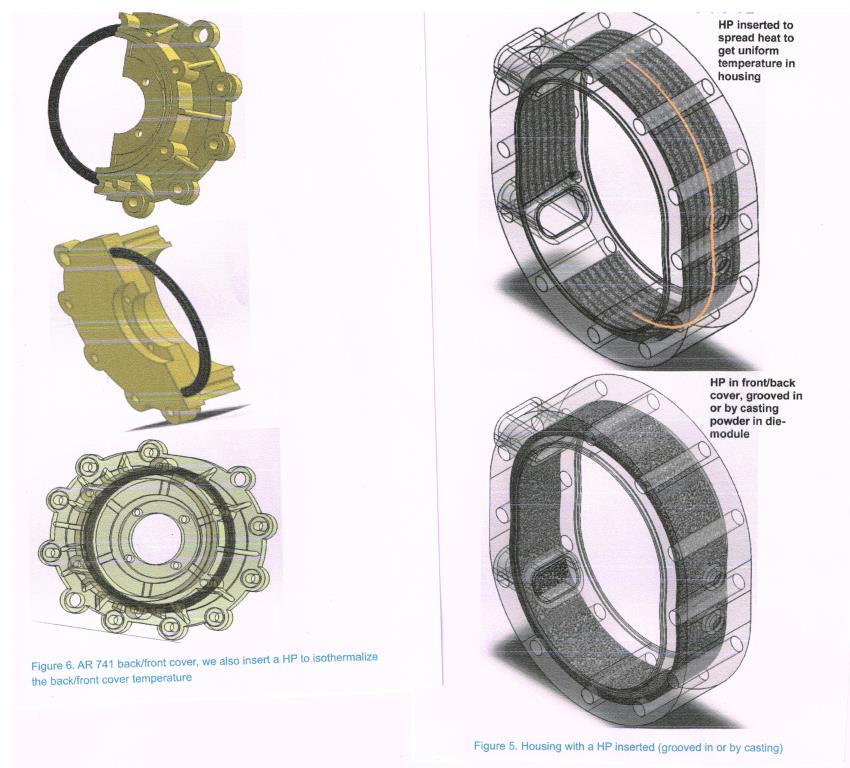
As discussed, SAE paper 2014-01-2160, by Wei Wu et al, University of Central Florida, described impressive, pivotal results, by adding Heat Pipes to cool down an UEL UAV air-cooled Wankel engine, top engine temperature was reduced from 231º C to 129º C, and maximum temperature differences between parts of engine, from 159º C to 18º C, this may totally eliminate problems by thermal dilatation differences, make construction simpler and cheaper, improve performance, and prolong engine life.
The issue may be that, as GM proved, a higher Rotor surface temperature reduces HC emissions, they obtained a good fuel economy in an Iron housing engine, working at noticeable hotter temperature in the epitrochoid working surface.
I wonder if Heat Pipes could be installed in Mazda sized engines. ACT (www.1-act.com) is offering Heat Pipes for cooling electronics and other machines, perhaps one of three mm thick would be enough, at least for an small RCE, there´s also the possibility of cooling rotating parts with heat pipes.
Download Attachment: Satellite w Heat pipe.jpg
47.89 KB
Download Attachment: Heat Pipe Assisted Air-Cooled RCE -SAE paper 2014-01-2160 -Wei Wu et al.jpg
90.02 KB
Download Attachment: Heat Pipes Dunn & Reay -1982.jpg
170.3 KB
 |
| Aaron Cake |
Posted - Dec 25 2015 : 09:21:51 AM
Mazda has experimented with various coatings but always seems to go back to the basics: nitride irons and hard chrome housings. Of course they have been continually improving the pourousness of the chrome and adjusting the hardness to balance wear vs. lubrication.
Several companies have sprung up and offered coating of internal components (ie. Cermet) however they seem short lived. I think that may be telling.
I do wonder even in piston engines how long any sort of coating lasts. Is it all gone after 100,000 miles? Are there wear lines?
I recall for a time that Mazda added a sort of soft material to the tips (around the corner seal) of the side of the rotors. To provide some sort of relief if the tip should contact the iron. It was only for a few yeas, I think 86 - 90. |
| urquiola |
Posted - Dec 24 2015 : 07:47:27 AM
Added coating question: a work by Husqvarna: 'Advanced low friction engine coating applied to a 70 cc high performance chainsaw', SAE paper 2014-32-0115, points improvements in performace and fuel economy in a two-stroke chainsaw engine by adding a coating on piston, the article deals in extense with the compatible lubricants and materials; perhaps this coating could be done also in RCE Rotors.
I'm aware of a french engineer: J Lomat (Lomatsystems), who offers in Sabadell, Barcelona, Spain, piston coating services for small motorcycle engines, and many modern high performance engines, Mercedes, and others, do install coated pistons in the same aim. Anybody testing this in a Wankel? If I do, I'll let you know. |
| urquiola |
Posted - Jul 14 2015 : 1:25:58 PM
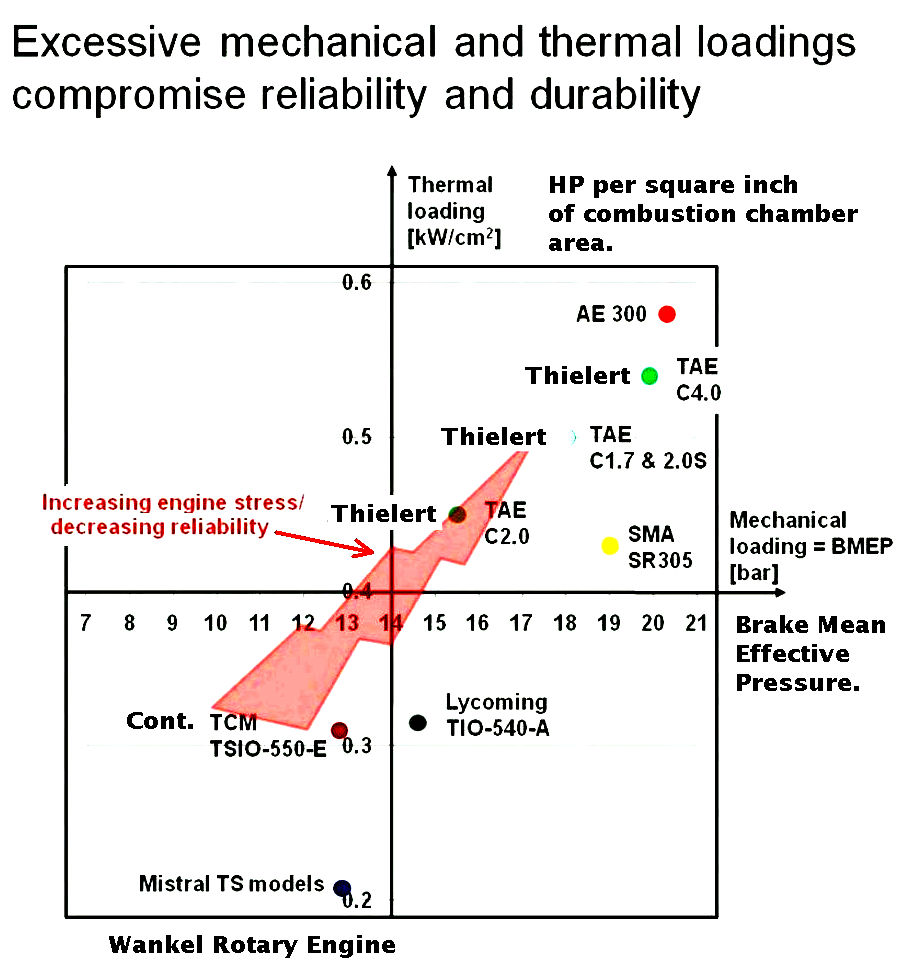
I've purchased a good book on tuning rotaries: 'Street Rotary', HP1549. In the publications about the (old) motorcycle and snowmobile RCEs, a concern is detected about a too high thermal load being specially dangerous for air cooled housings and charge cooled rotors, a hollow: oil, liquid or air cooled shaft was proposed, comments welcome.
I'd like having a confirmation that a bit more of oil is to be added to the gasoline, if you put 'Unleaded gas', Lead in gasoline acting as a solid lubricant, as MoS2, its lack accelerating wear if not compensated otherwise. Thanks, + salut
Download Attachment: Mechanical-and-thermal-loads.jpg
125.05 KB
 |
| urquiola |
Posted - Jan 29 2015 : 1:38:53 PM
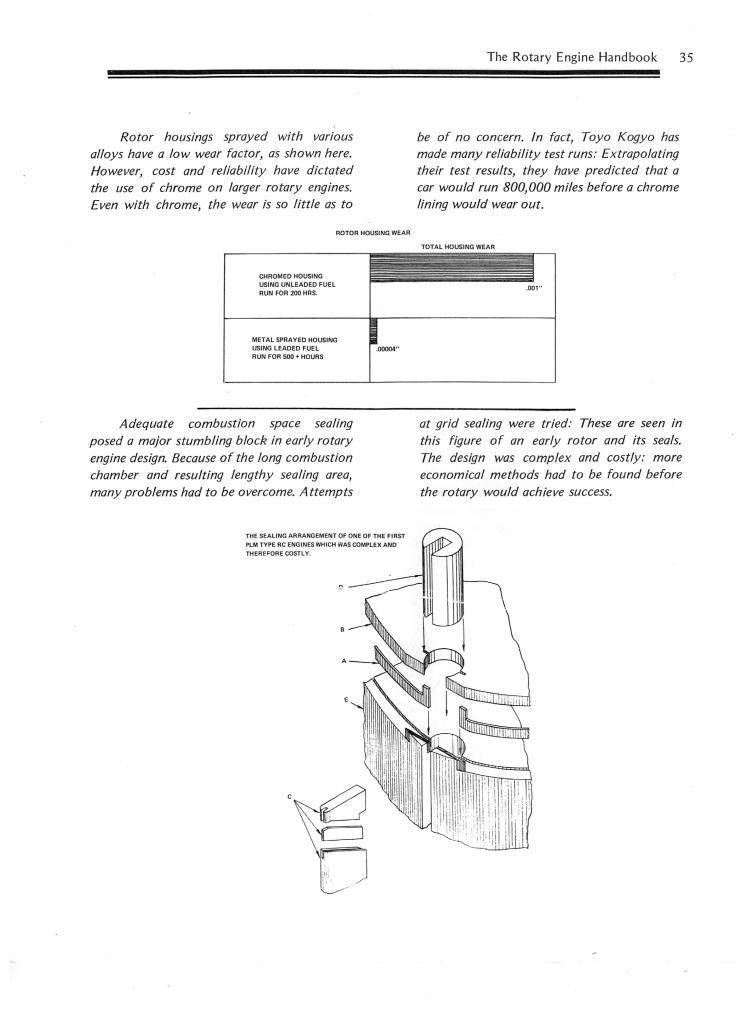
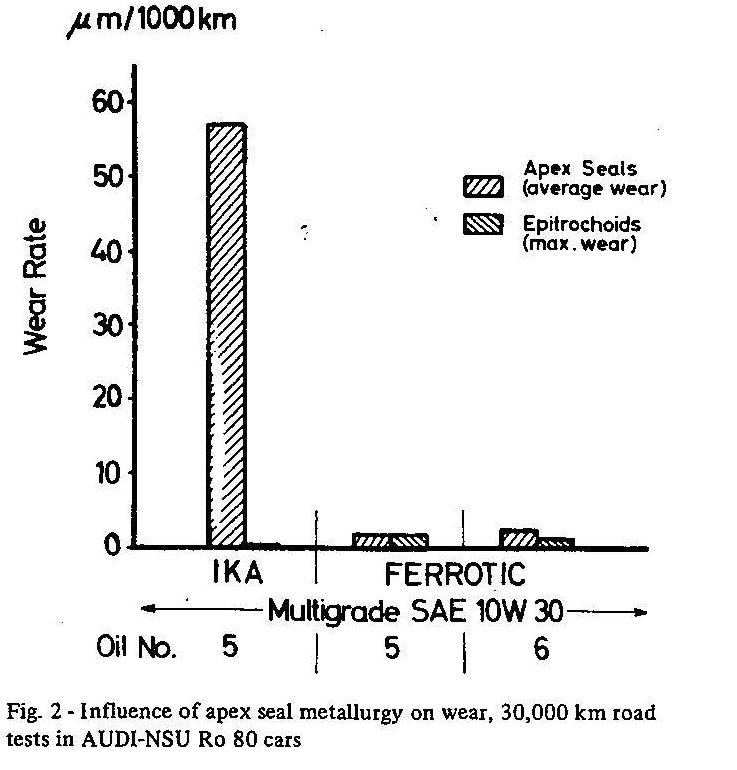
Hi!: some old papers show improved results with new materials, e.g., Ferrotic apex seals vs IKA3 apex seals, and different results with different fuels and lubricating oils. Gasohol 10%, Freedom-motors, P Moeller, and Syvaro, A Adam data, is specially good for Wankel.
Anybody commenting about the availability of seals made with different materials?
('Material', comes from the latin term for: 'Wood', 'madera', in Spanish)
Download Attachment: Unleaded vs leaded fuel trochoid wear in RCE.jpg
71.73 KB
Download Attachment: Seal wear -Ferrotic vs IKA SAE 730048.jpg
66.58 KB
 |
| urquiola |
Posted - Jan 24 2015 : 08:41:41 AM
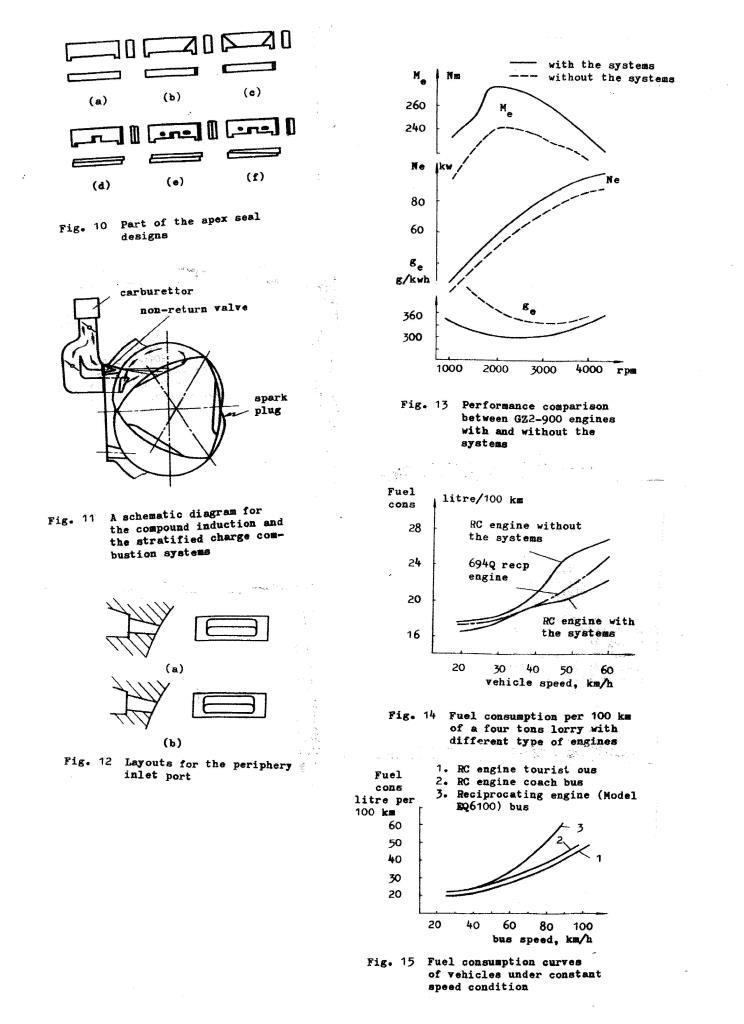
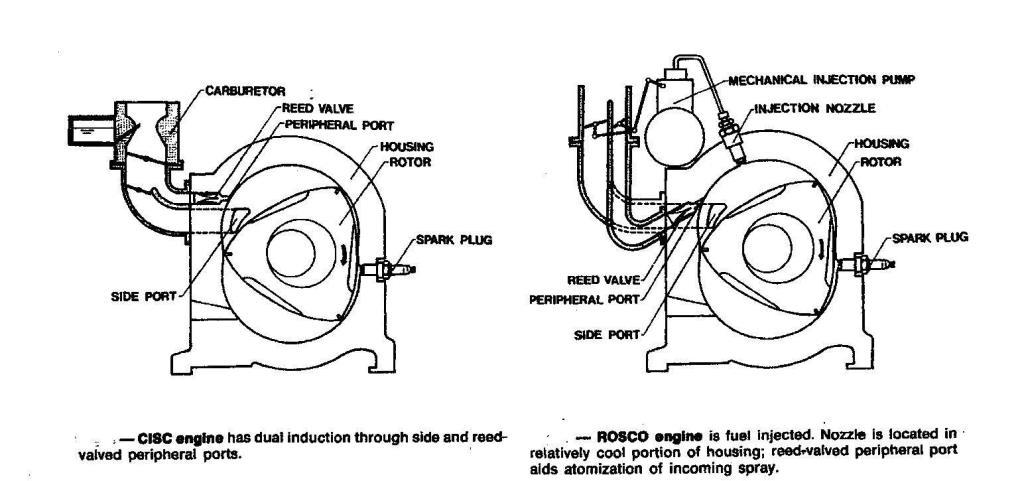
Even when the research is almost 40 years old, and that the risk of a solid material petal from a Reed-Valve detaching and entering the working chamber always exists, perhaps a grid just before the port may prevent this, you may have a look at the documents below, pointing to good results with R-V, not only in the small line of charge-cooled rotor, air cooled housing engines of Yanmar Diesel, but in car size RCEs. You know that HydroCarbons in exhaust are in inverse relation to Rotor surface temperatures, the hotter the Rotor working surface, the less the HC in exhaust, also a hotter Housing surface, from 80º C to 130º C reduces HC by 20%; a mineral oil charbonizes at 220º C (Reference: Rotativementvotre) but a synthetic oil resists 50º C above this, in kart engines such as Aixro, an intake transfert port abobe 130º C means risk of severe damages, and an indication to release throttle or stop, this higher working temperatures could be approached by improved materials, also the article in SAE Journal, Feb 1978, points a much cleaner exhaust gas, and improved fuel economy with Iron housings instead of Aluminun. It also remarks that at 3'000 rpm, RCE friction HP losses are 55% of that required in a reciprocating engine; Toyota tested their RCE in Crown sedans, and had 9-11% better fuel economy than with their reciprocating engines. Thanks for your patient attention.
Download Attachment: RCE research in China -Teluan Chen SAE 1988-02-01.jpg
84.94 KB
Download Attachment: Reed-Valve RCEs 1978.jpg
70.63 KB
 |
| urquiola |
Posted - Oct 01 2014 : 1:03:58 PM
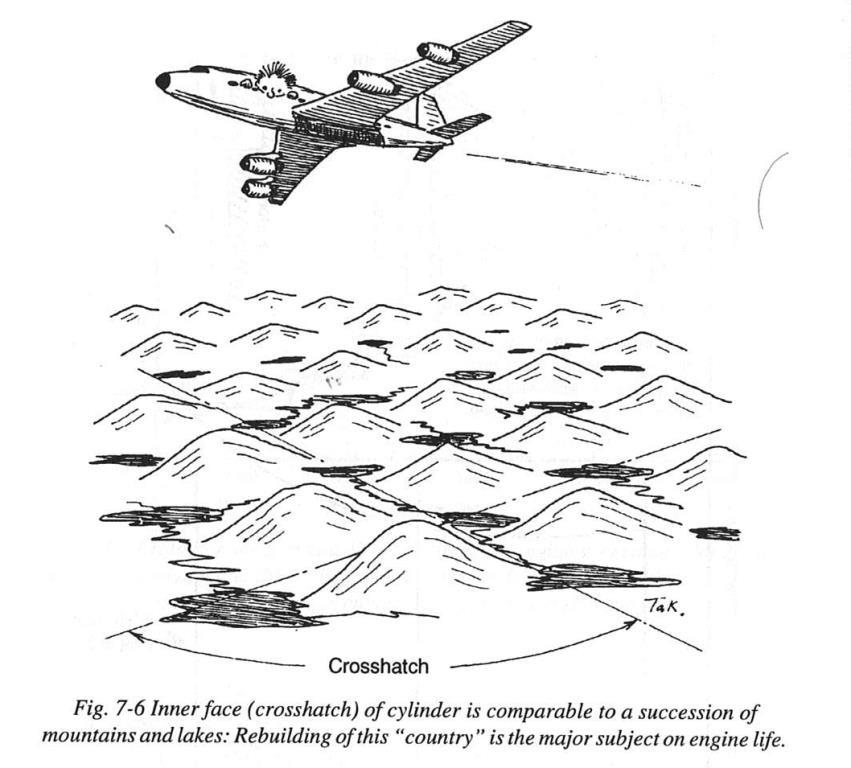
Surface coatings must retain the oil film necessary for lubrication and friction reduction, must be cheap to apply, and compatible with seals' materials for low wear and a good engine life. The Nikasil was a great improvement in RCEs and other ICEs, also Suzuki in their RE-5 used a combination of Ferrotic apex seals and the housing working surface coating described in Canadian patents by Alfred P. Grazen.
Image is from the 1997 SAE book by Takashi Suzuki, Ph.D. 'The romance of engines'
Download Attachment: T Suzuki on cylinder surface.jpg
79.59 KB
 |
| urquiola |
Posted - Jun 13 2014 : 07:56:21 AM
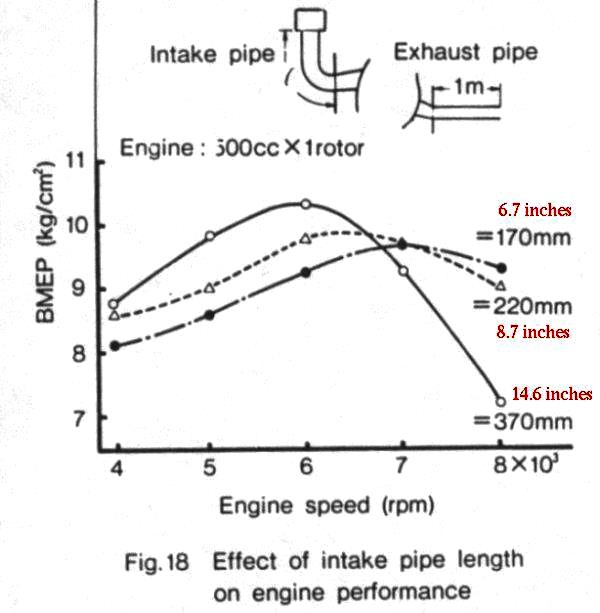
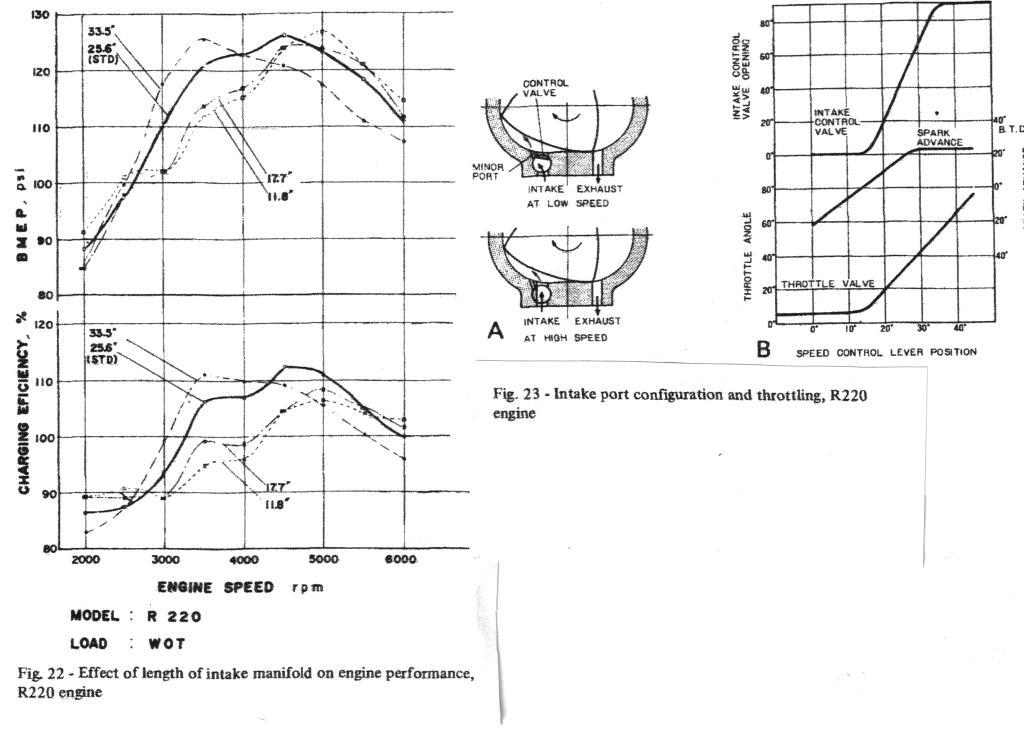
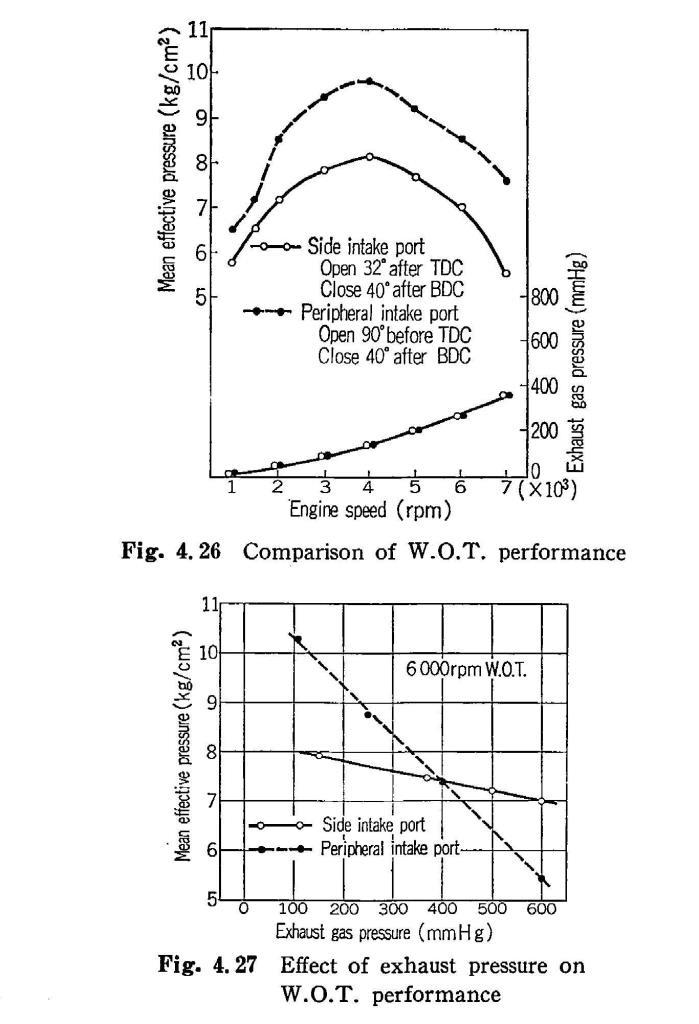
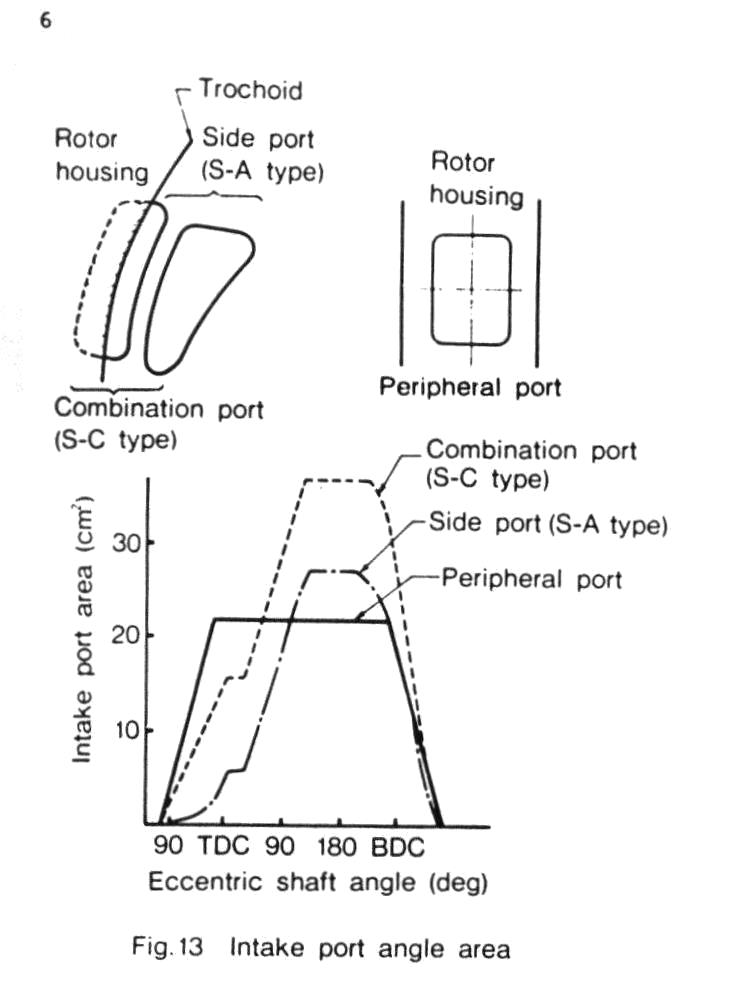
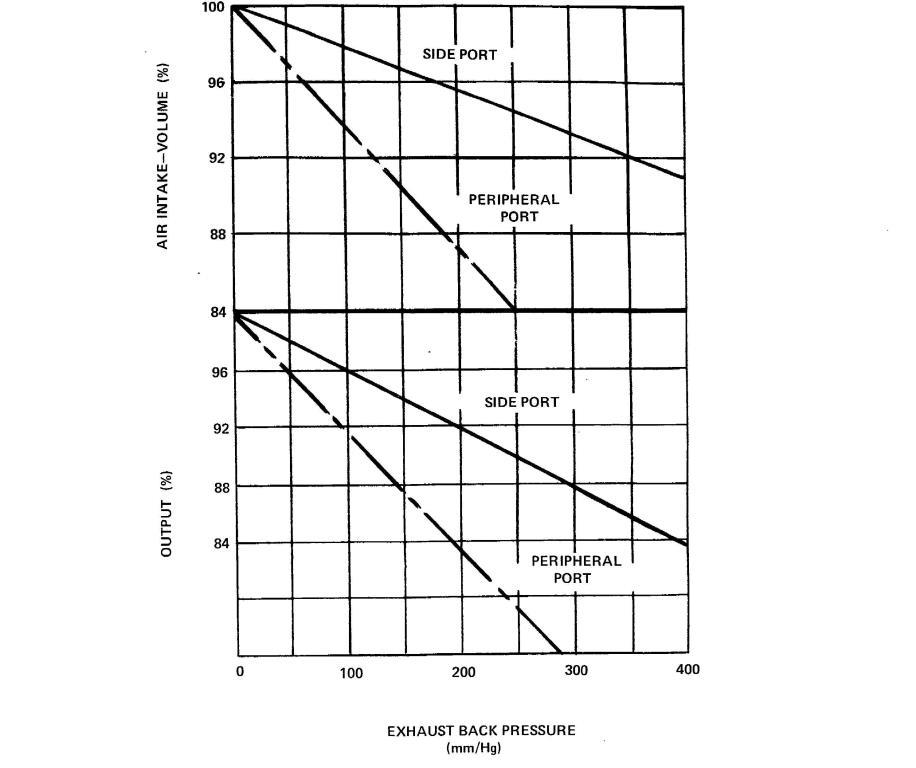
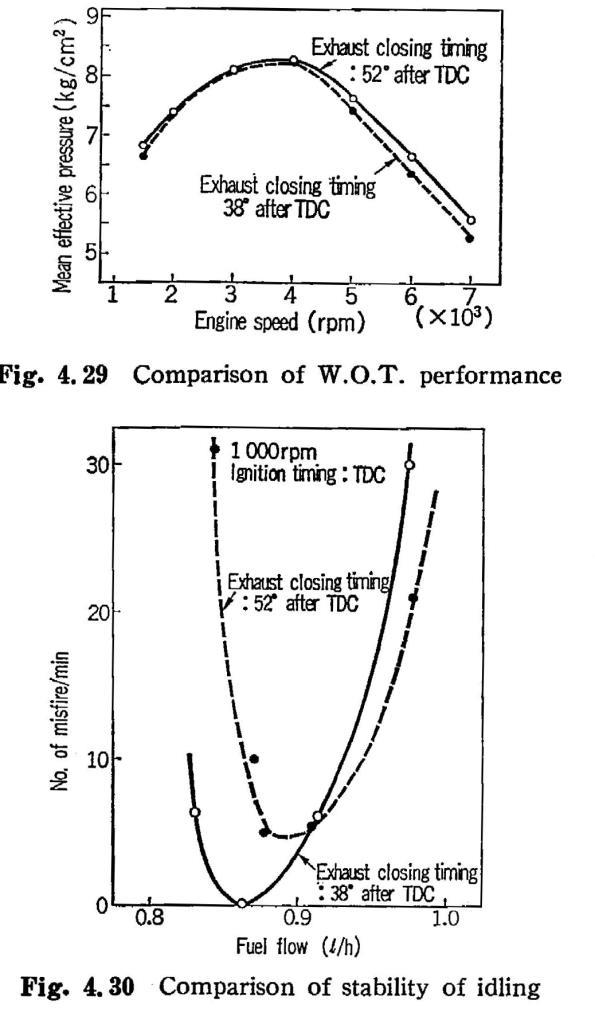
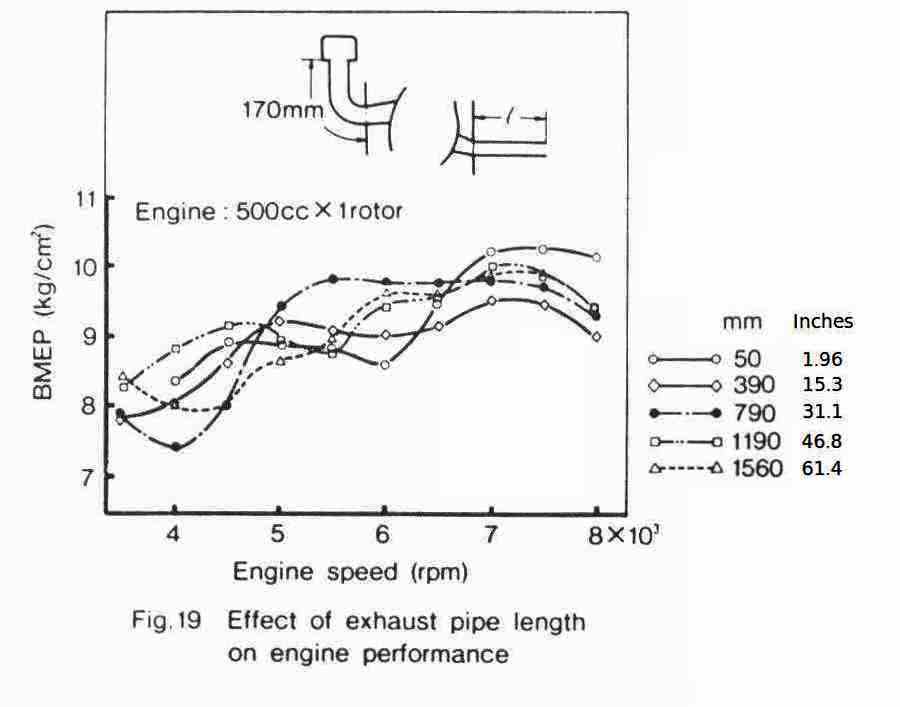
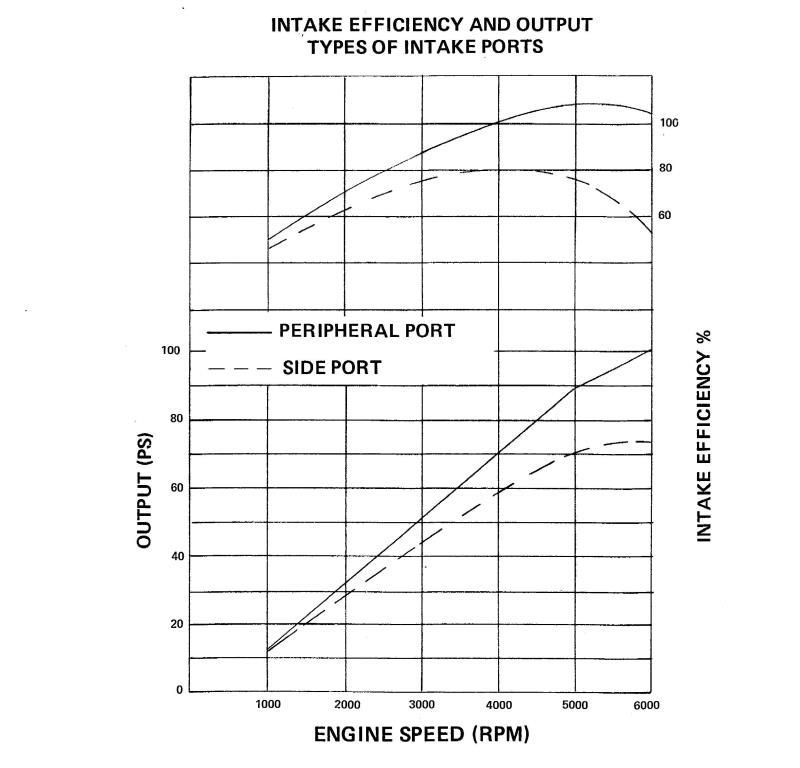
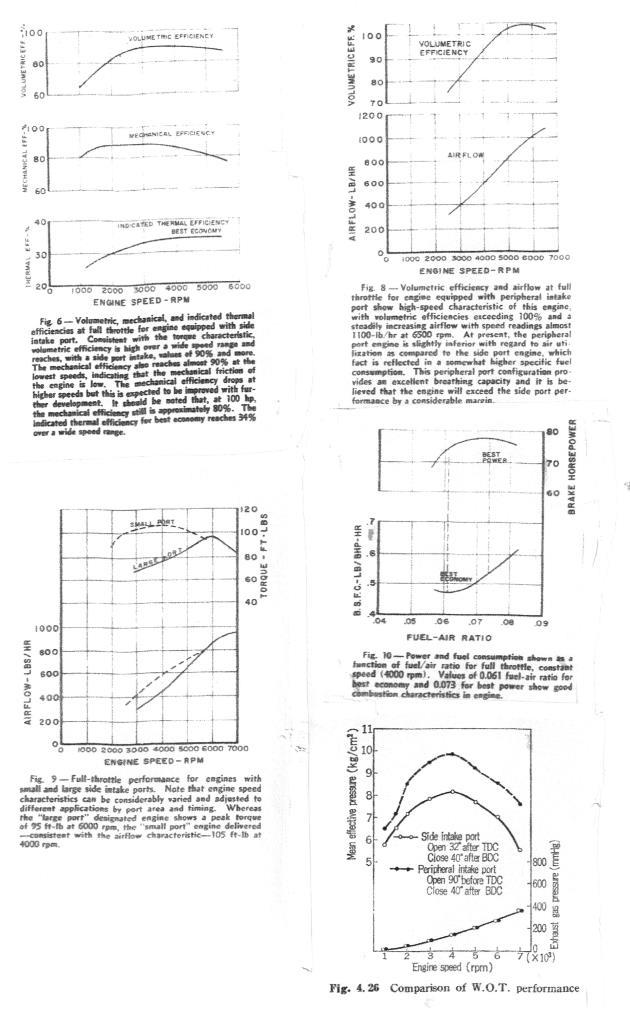
Hello again!: besides documents cited, you may like looking in Espacenet for Ishikawa et al (Nissan), 1974 US patent 3844256; and R Yamauchi, 1970 US patent 3514235. Some charts on PP vs SP and Admission and Exhaust Pipe lenght effect are included in post; for more info: SAE paper 2013-32-9161, Dun-Zen Jeng et al, about: 'Intake and Exhaust Pipe effect on RCE Performance'. For small engines: SAE paper 2014-01-2160, by Wei Wu et al, about a 'Heat Pipe assisted Air-Cooled (UEL) Engine, for better Durability, Power and Efficiency'.
According to John Robinson, about 2-Stroke engine tuning, (Newnes Technical Book) square ports do give the best results, but are also the least kind to seals, perhaps this could be overcome by rounding/streamlining the duct-chamber intersection, from the usual rect angle, to something softer, from which the seal won't get a hammer style contact when crossing the port and meeting the port end.
Many times this type of minor changes are not implemented by the engine makers, because cost of having this in the production line would be too high, perhaps the industry standard for a novelty to be incorporated into series would be that a technology change should offer a 10% performance improvement along with a 10% cost reduction; the policies where workers got prices for discovering things as the way to use two screws for a task instead of three, saving some hundreds of thousands screws every year, seems no longer being in force.
Download Attachment: Intake-pipe-lenght-v-BMEP.jpg
38.25 KB
Download Attachment: K Yamaoka -H Tado -Intake pipe lenght effect.jpg
95.58 KB
Download Attachment: PP vs SP Intake MEP.jpg
81.47 KB
Download Attachment: Side-port- vs p-port.jpg
54.98 KB
Download Attachment: E McGovern -RCE Peripheral Exhaust Port vs Side EP vs Exhaust BackPressure.jpg
61.82 KB
Download Attachment: Exhaust port timing RCE.jpg
68.7 KB
Download Attachment: Exhaust-pipe-tuning.jpg
31.77 KB
Download Attachment: E McGovern -RCE Periph Intake Port vs Side IP.jpg
60.41 KB
Download Attachment: Wankel RCE -Ports -Efficiency -MEP.jpg
88.94 KB
Download Attachment: Intake port timing.jpg
50.86 KB
Download Attachment: Nozzle shapes -Bosch manual auto tech.jpg
90.02 KB

Download Attachment: Wankel RCE cooling systems & performances.jpg
99.93 KB

Download Attachment: Wankel RCE cooling ways and mnfg' costs.jpg
71.93 KB

Download Attachment: Willys Overland Roadster 1916.jpg
106.37 KB
 |
| urquiola |
Posted - May 15 2014 : 10:28:28 AM
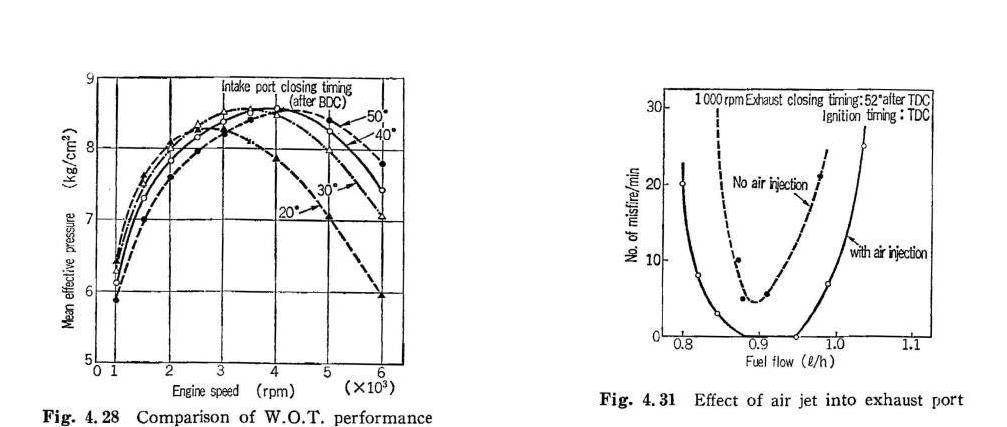
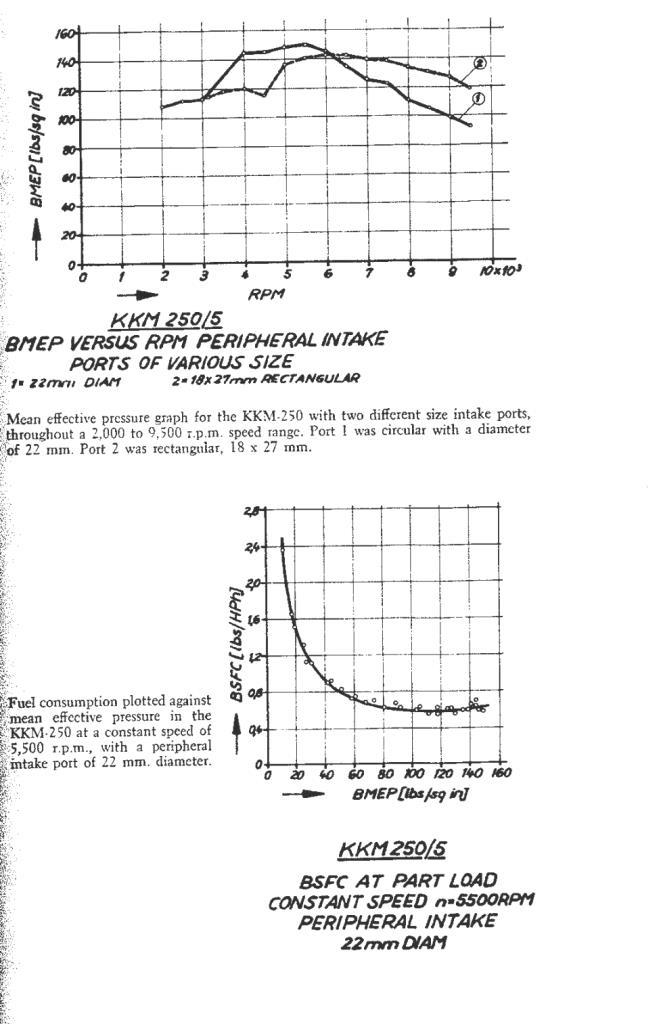
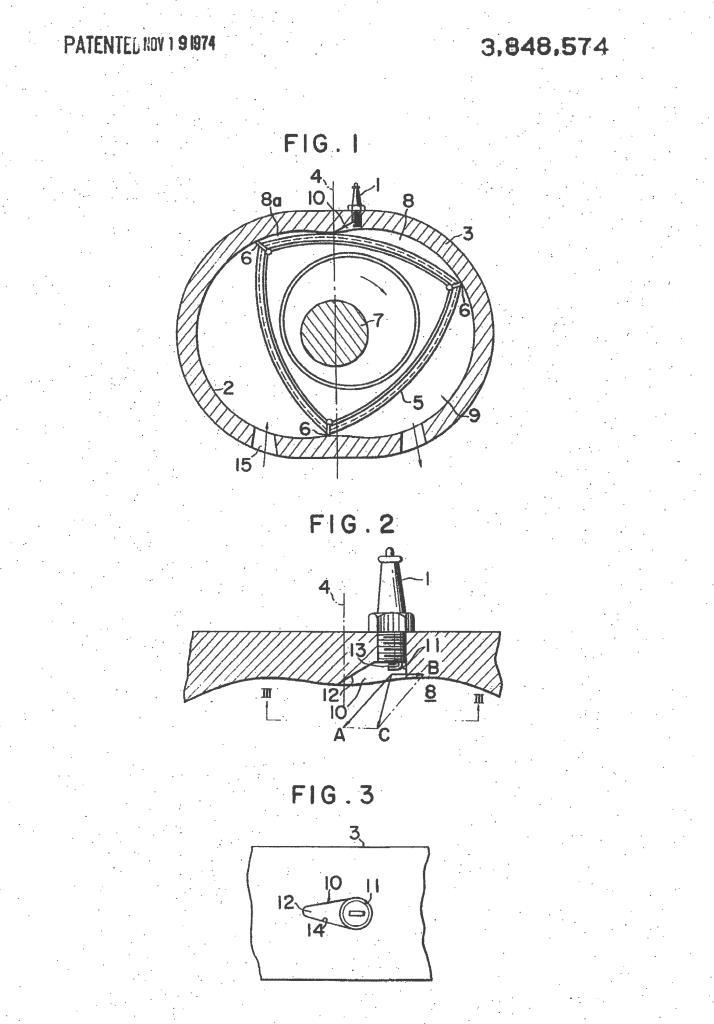
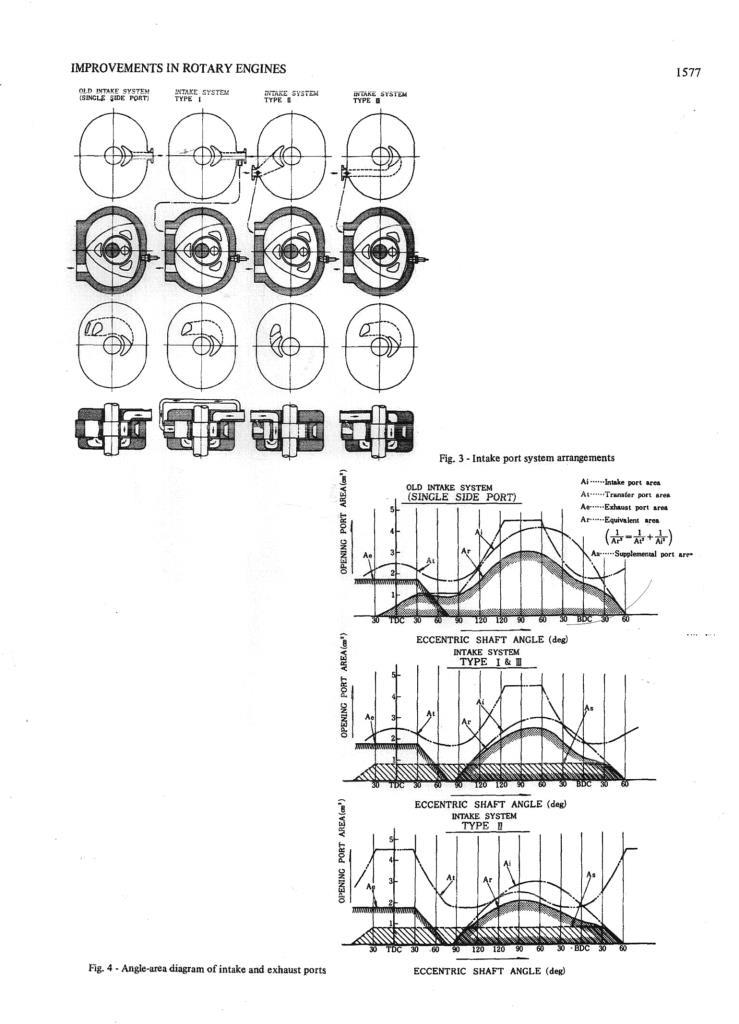
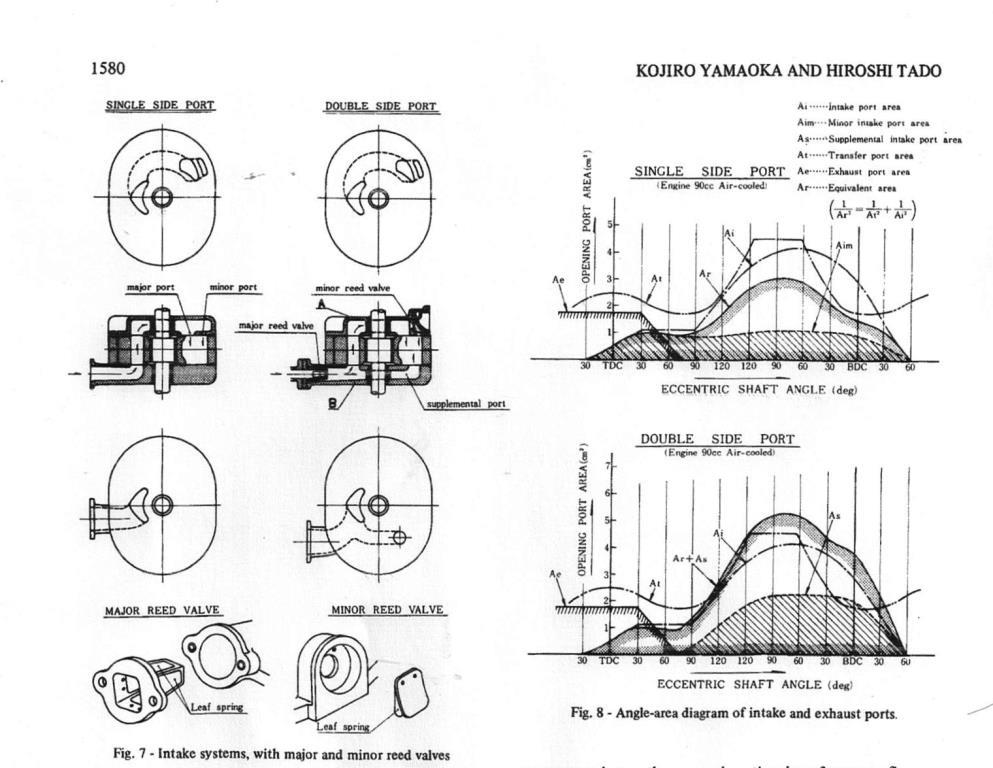
Canadian Patent 1045553, by Ford, accessible for free download in Espacenet, is about a Reed-Valve controlled peripheral intake Wankel RCE, patents US 3848574 and 3991722, both by Kawasaki, are about a way to improve combustion, reducing emissions and improving fuel economy by opening a cone-shaped hole from the leading edge plug hole towards the trailing part of combustion chamber, and about a charge cooled RCE; the Yanmar Diesel SAE paper 720465 contains info about the results with a Reed-Valve in their 300 cc per chamber, air cooled housing Wankel RCEs. I guess the concept could be tested by making a Rectangular shaped Peripheral Port (SAE paper 780418, from NSU) in a 13B housing, controlling it for example with the system of Plenum ducts and Pyramid Reed-Valves from a Quad 2-Stroke engine.
These rather small PPorts could be used in addition to the existing Side Intake ports for having both the good idle and part load functioning of Side Ports, plus the much better power and MEP of Peripheral Ports. Would you like testing al least the Kawasaki plug hole change, and give us some info about your results? If you have some spare housings and need dissasembling an engine, testing the concept won't put your engine at risk. Thanks. Salut †
Download Attachment: Rectangular vs Round Intake Port NSU.jpg
81.88 KB
Download Attachment: Yanmar Reed-Valve Data.jpg
123.81 KB
Download Attachment: Kawasaki plug hole improvement for Wankel RCE.jpg
70.07 KB
Download Attachment: Yanmar Diesel Intake Flow Path Variants .jpg
90.44 KB
Download Attachment: Yanmar Diesel RCE -Single vs Double Side Port .jpg
99.19 KB
 |
| RussellAhmed |
Posted - Nov 24 2013 : 10:51:34 AM
Toyota is a tested and super brand you know........In Automotive Engineering section serve us greatly for its saving cost....In simply i may said "awesome" |
| RussellAhmed |
Posted - Nov 24 2013 : 10:38:03 AM
[url=http://www.best-golf-gps.info/]Best golf GPS[/url] |
| urquiola |
Posted - Nov 20 2013 : 7:27:01 PM
SAE paper 720357 'Combustion Characteristics of Rotary Engines', by K Yamamoto et al., describes the important issues of combustion chamber recess shape, among it the S/V ratio and the quenching it induces, plug placement, and the steps taken for improving it, almost the same info is in SAE 'Automotive Engineering', July 1972, Vol 80, nº 7, pp 26-29, at a reduced cost. The Toyota research about air injection on exhaust and use of glow-plug of SAE paper 790345 'Analysis of light-load performance in Rotary Engines', by T Kohno et al.,is in Automotive Engineering, August 1979, Vol 87, nº 8; pp 33-38. Hope you enjoy it! |
|
|



 Wankel RCE cooling systems & performances.jpg
 Heat Pipes Dunn & Reay -1982.jpg
 Wankel RCE cooling systems & performances.jpg